
How Does Car Key Programming Work? Transponders, Immobilisers & Smart Keys Explained
Car key programming makes a compatible key recognisable to your vehicle, but cutting, remote locking and permission to start are different jobs.
The short answer
How does car key programming work? It makes a compatible electronic key recognisable to your vehicle’s security system, so the car accepts it as authorised to start the engine. Cutting the blade is a separate job, which explains why a key can fit the door yet fail to start the car. Whether you need another family key or have lost yours during a New Forest walk, understanding that distinction helps you ask for the right help without buying unnecessary parts.
How does car key programming work?
Car key programming establishes the electronic recognition needed between a compatible key and the vehicle’s security system. The intended result is straightforward: the car recognises that key and permits starting. Depending on the vehicle, remote locking and keyless functions may also need to be set up, but they are not necessarily the same task.
Think of starting as a chain of permissions. You present the key, the vehicle checks its electronic identity, and the security system decides whether starting is allowed. A correctly shaped blade only satisfies the mechanical part of that chain.
On a conventional ignition, turning the key does not automatically mean the car has accepted its electronics. With a smart key, pressing the start button still depends on recognition, even though there is no blade to turn.
The useful question when arranging a key is therefore not simply whether it can be cut. Ask whether the finished key will provide the starting, locking and keyless functions your particular vehicle supports.
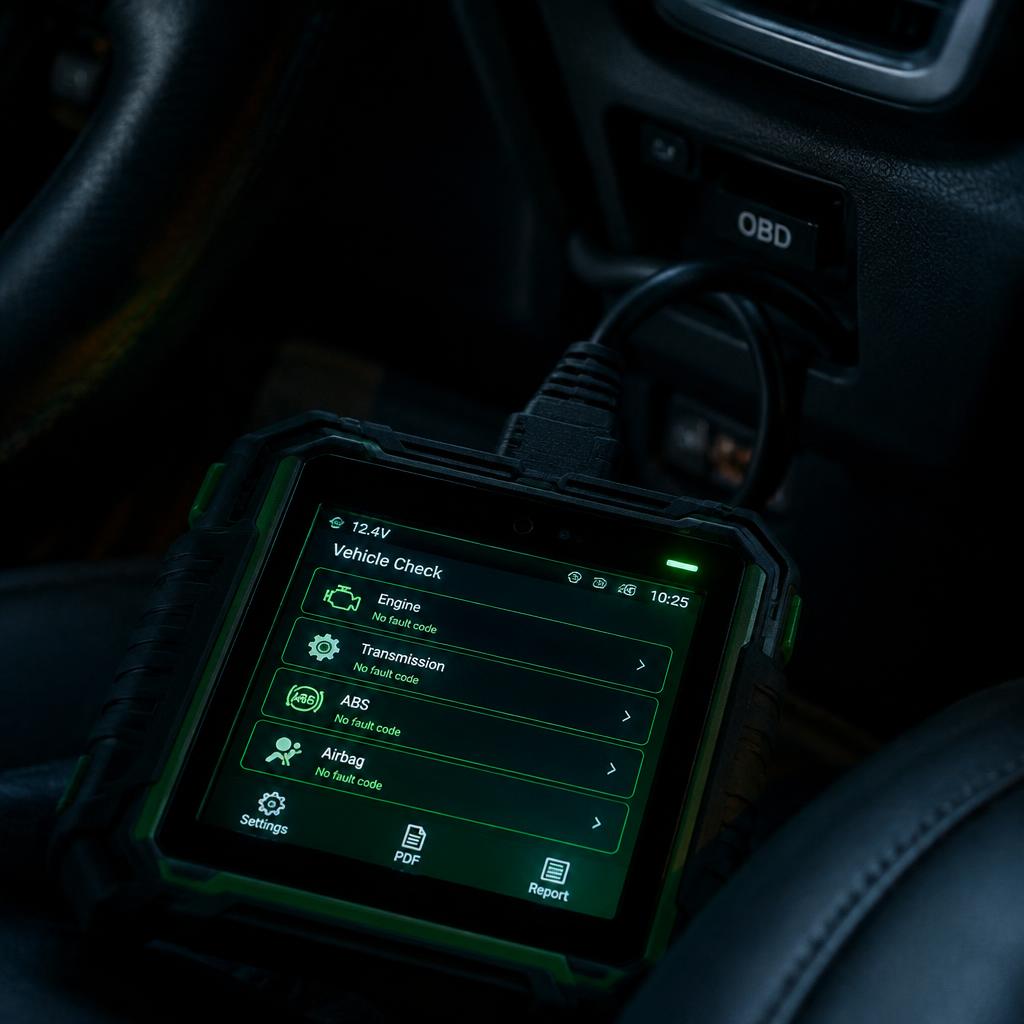
What is a transponder key?
A transponder key contains a small electronic chip that the vehicle recognises as part of its starting authorisation. On many conventional keys, that chip works without the replaceable battery used for the remote buttons. The blade, chip and button-operated remote can share one housing while carrying out quite different jobs.
When someone asks, “What is a transponder key?”, the important distinction is between its shape and its identity. Two blades can have matching cuts, but only a correctly recognised transponder will satisfy the vehicle’s security checks.
This also explains a familiar symptom: the buttons stop working, but the engine still starts. On many bladed keys, a flat remote battery does not prevent the transponder from being recognised.
Keep that distinction in mind before replacing an entire key. A failed button, damaged casing or exhausted battery does not by itself prove that the starting chip has failed.
Remote buttons and smart keys: similar packaging, different functions
A remote sends a request to lock or unlock the vehicle when you press a button. Its operation is separate from the mechanical blade and can be separate from the transponder’s starting authorisation. A remote that unlocks the doors is not proof that every part of the key is working.
A smart key adds proximity-based functions on vehicles equipped for them. Depending on the specification, the car may recognise it for keyless entry, push-button starting, or both. Cars with similar-looking fobs do not necessarily have identical features.
Some older vehicles have a separate remote alongside a bladed ignition key. At the other end of the scale, many smart fobs contain an emergency blade. Neither arrangement tells you everything about the electronics inside.
When describing a fault, separate the symptoms: do the buttons work, does keyless entry work, and does the vehicle start? That is more useful than saying the key is completely dead.
What is an immobiliser?
An immobiliser is a vehicle security system designed to prevent unauthorised starting. It checks for an accepted key before allowing the engine to run. It is different from an alarm, which provides a warning, and from central locking, which controls access to the passenger compartment and boot.
If you are asking “what is an immobiliser?” because a warning symbol has appeared, remember that the symbol is a clue rather than a complete diagnosis. The key, the vehicle’s electrical supply or another fault may need attention.
An unrecognised key can produce different symptoms on different cars. Some will not crank; others may crank without starting. Check the handbook’s explanation of the warning rather than assuming every non-start needs programming.
If you have a working spare, note whether the same symptom occurs with it. That comparison helps establish whether the problem follows one key, although it does not identify every possible vehicle fault.
Can I program my own car key?
For most modern vehicles, owners cannot programme a new starting key through ordinary dashboard controls or a universal button sequence. Some cars provide limited owner procedures, often for remote functions, but availability and prerequisites vary. Follow the handbook rather than assuming an online routine applies to your vehicle’s full security system.
Advice labelled “Can I program my own car key?” often mixes up remote synchronisation with immobiliser authorisation. Restoring the buttons on an existing key is not necessarily the same as making a different key capable of starting the engine.
A battery change also does not normally mean a conventional transponder needs programming again. If the fault began after opening the casing, report that detail before buying a replacement.
Where a new key needs electronic authorisation, the car key programming page explains the relevant service. Compatibility should be established before money is spent on a key advertised as ready to programme.
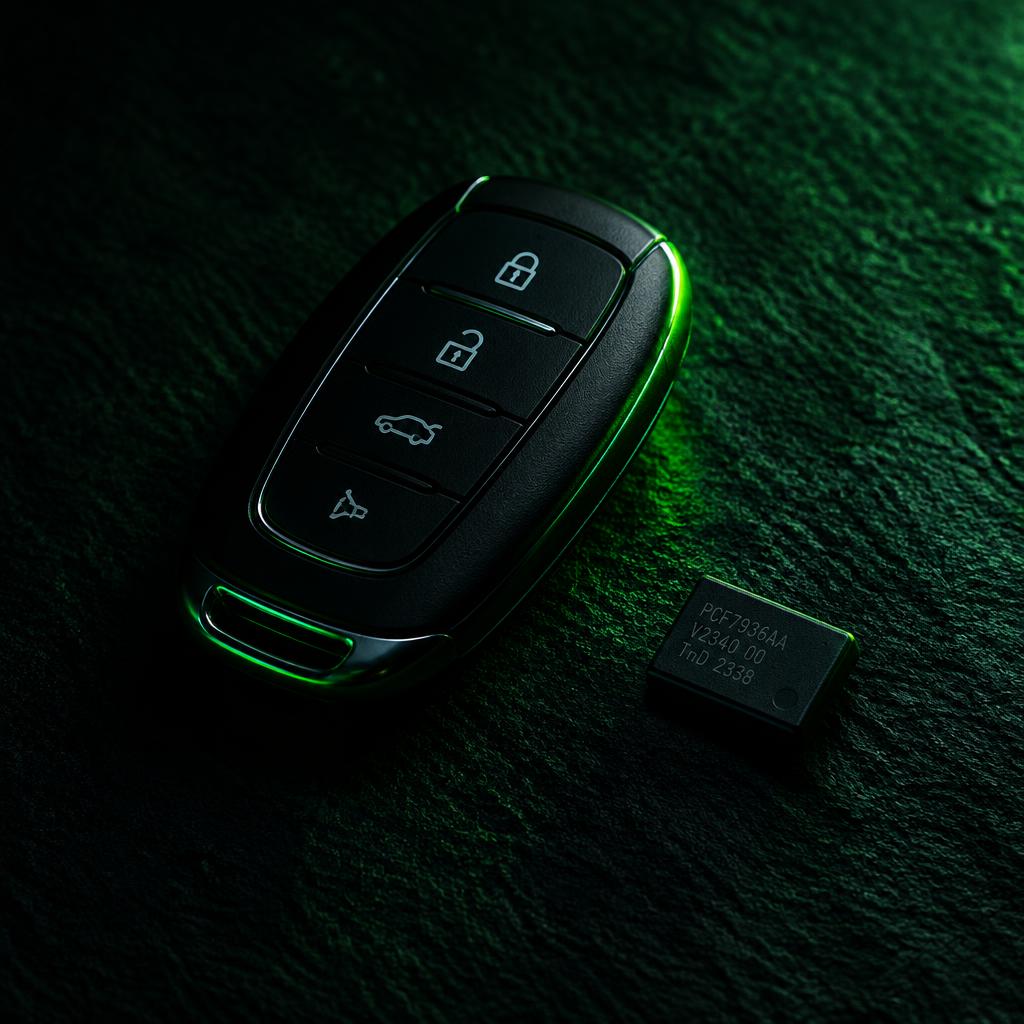
The correct chip matters more than the casing
Programming cannot make an incompatible transponder become the correct type. A matching badge, button layout or blade profile is not enough: the electronics must suit the vehicle’s security system.
Part-number differences can matter too. Honda keyless fobs, for example, require the correct part number. Japanese-market Toyota and Nissan remotes can also differ from UK versions, including their radio frequency. An apparently identical online listing may therefore be unsuitable.
Send the registration and clear photographs of your existing key before buying a replacement. For an import, mention its origin and have the chassis number available. If there is no surviving key, say so at the outset rather than requesting a spare.
These checks are not just about whether programming succeeds. The intended outcome is a key with the appropriate functions, not one that merely looks right on the keyring.
Before arranging another key
A little preparation makes the initial conversation more useful. Keep photographs clear enough to show the buttons and any visible identifying details, but avoid posting key or ownership information publicly. If you are beside the car in a New Forest car park, record its name and your precise location as well as the vehicle details.
Gather the registration, make, model and approximate year.
Make clear which situation applies
a working key remains, or all keys are lost.
List separately any starting, button or keyless-entry faults.
Mention imports and any replacement key you have already bought.
Set aside your V5C together with photo ID so ownership can be verified.
Ask which functions are included in the quoted finished key.
Related services
For a replacement that needs electronic recognition, see car key programming. Adding a second key while retaining a working one is covered on the spare car keys page.
More questions
Get a free quote in two quick steps
Send your details and we'll come back to you with a price. For anything urgent, calling is quickest.
- Price explained before any work
- No upfront payment
- Deal direct with the technician
Need a hand with your car key?
All work by New Forest Auto Locksmith takes place at the vehicle, with V5C ownership evidence and photo ID examined before a key is made. To discuss compatibility before buying anything, get in touch with your registration and key details. A price is provided before travelling, with no upfront payment.
“Arrived on time, did the job, and was pleasant and polite. Perfect.”