
Steering Wheel Locked And Key Won't Turn? Here's Why
A locked steering wheel often needs only gentle pressure to release, but repeated sticking can point to a worn key or ignition fault.
The short answer
If your steering wheel is locked and the key won't turn, pressure against the steering lock is often the cause. Gently moving the wheel while lightly turning the correct key can release it, but forcing either can cause damage. This guide explains how to unlock steering wheel pressure safely, what different symptoms suggest, and when to stop trying. Whether you are parked at home or returning from a New Forest walk, the important distinction is between a loaded lock and a failing component.
Steering wheel locked and key won't turn: what's happening?
On many cars with a conventional ignition key, a mechanical steering lock prevents the wheel turning after the key is removed. If the wheel rests hard against that lock, the pressure can make the key difficult to turn. This is often normal locking action rather than evidence that the ignition has failed.
The lock engages when the steering reaches a particular position after you switch off and remove the key. You might notice it click into place while getting out, especially if you lean on the wheel. Once engaged, the wheel usually has a little movement before meeting a firm stop.
Parking with the front tyres against a kerb can put additional load through the steering. That pressure may hold the locking mechanism tightly enough to resist normal key movement. The aim is to relieve the load, not overpower the lock.
Keyless cars may use an electronic steering lock instead. Their behaviour and release instructions vary, so use the handbook rather than assuming the advice for a mechanical ignition applies.
The gentle release to try first
Only attempt this with your own vehicle and its correct key. Keep the parking brake applied and follow the handbook's starting instructions, including the specified gear position. If the key is visibly bent or cracked, skip this check and have it assessed.
Insert the key normally. Gently move the steering wheel to feel which direction offers a little movement; one side will often feel more firmly blocked. Hold light pressure towards the side that moves while applying normal, gentle turning pressure to the key.
If necessary, ease the wheel back the other way without jerking it. When steering load is the cause, the key should turn without needing extra force. Stop if it does not release after a few gentle attempts, or if the blade begins to flex.
Do not use pliers on the key or ask someone else to pull hard on the wheel. A steering lock stuck under pressure needs that pressure relieved, not greater leverage. Once released, confirm the steering moves normally before driving.
Worn keys and ignition barrel clues
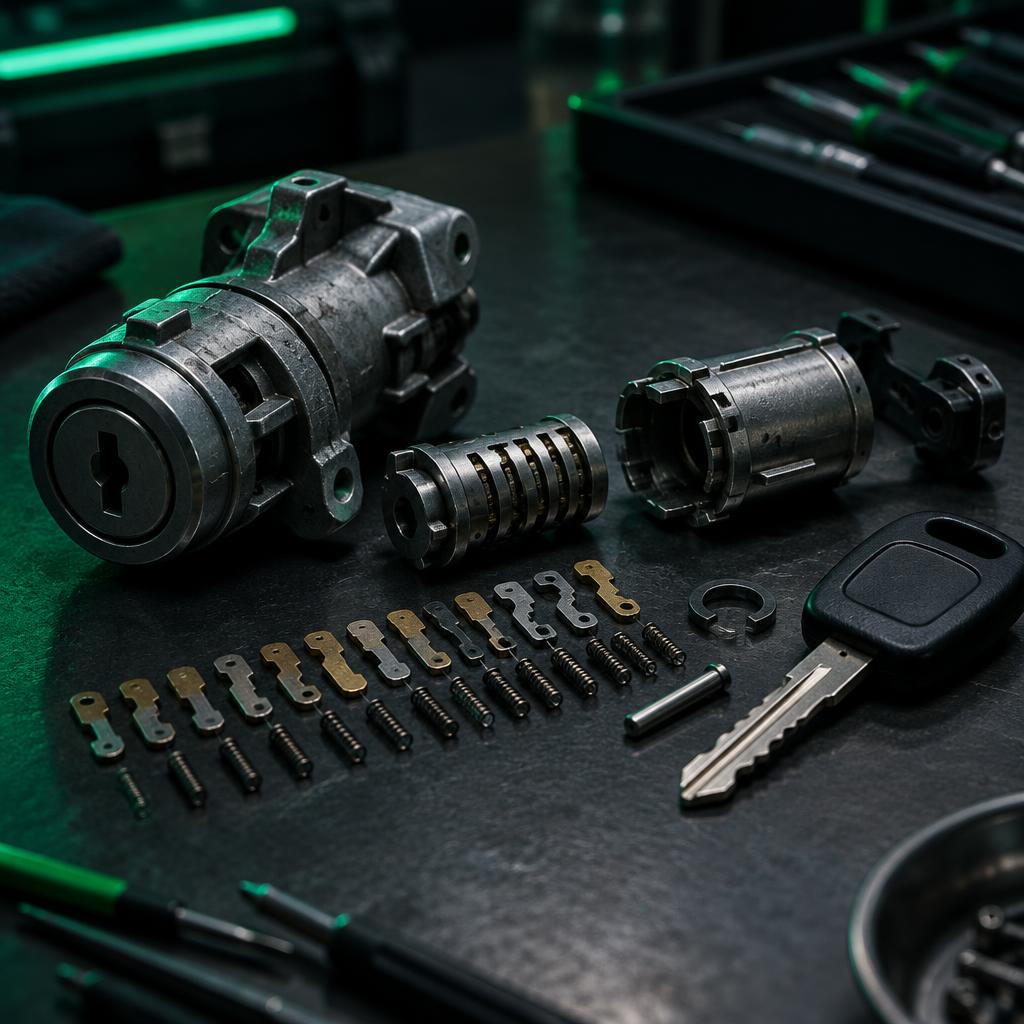
A worn key can look fairly ordinary. Rounded blade edges, bending or damage may prevent it operating the small internal locking pieces, often called wafers, correctly. Those pieces can also wear inside the ignition barrel, leaving an apparently sound key unable to turn smoothly.
If you have an undamaged spare, compare how it behaves without forcing it. A spare that turns normally makes wear in the everyday key more likely, although it does not prove the barrel is healthy. If both keys stick, the fault deserves closer assessment.
History matters here. A key that has needed progressively more movement over several weeks suggests something different from a single incident after parking against a kerb. Note whether inserting or removing it has become difficult as well.
Avoid filing the blade or spraying an unspecified lubricant into the ignition. Neither addresses every cause, and the wrong intervention can complicate diagnosis. For a damaged blade or casing, the broken car key service explains the relevant repair options.
When is it more than a steering lock stuck under pressure?
Suspect a fault rather than ordinary steering pressure if gentle movement makes no difference, the problem keeps returning, or the key turns without the expected response. Worn ignition parts and electronic steering lock failures can produce overlapping symptoms. A warning message or an unusual change in key movement is useful evidence, not a diagnosis by itself.
A snapped barrel tail is a different problem from a lock that refuses to release. A broken connection behind the ignition barrel on certain older Vauxhall Corsa models can leave the key turning without any response. Rocking the wheel will not repair that broken connection.
Electronic steering locks introduce another possibility. Mercedes-Benz C-Class W204 models can develop steering lock faults where the key is inserted but the steering remains locked and the car does not respond normally. That requires assessment rather than repeated attempts to force a release.
A key stuck in ignition also needs a separate check. On some automatic cars, key removal depends on the selector being fully in Park; consult the handbook. If it remains trapped, leave it alone rather than pulling harder. Persistent symptoms belong with ignition repair and replacement, not another improvised fix.
Useful observations before asking for help
Describe what physically happens rather than simply saying the car will not start. Does the key enter fully? Does it stop before turning, rotate unusually freely, or turn normally without a response? Is the wheel firmly locked, or merely heavy because the engine is off?
Record any dashboard message exactly, and mention whether an undamaged spare behaves differently. Also explain whether the problem appeared suddenly or followed weeks of sticking. These details help distinguish a likely key problem from an ignition or steering lock issue.
If you are stranded in a New Forest car park, give its name and an accurate location rather than only the nearest road. Say whether the car is obstructing access. Do not attempt to drive with a steering lock that has not properly released.

What to do now: a short checklist
If you are searching for how to unlock steering wheel resistance, keep the response proportionate: try the ordinary release gently, then stop if the symptoms suggest damage. A key stuck in ignition or repeated sticking deserves attention even if the car eventually starts.
Secure the parked vehicle and check the handbook's starting conditions.
Look for obvious blade damage before inserting or turning the key.
Ease the wheel gently while applying only light turning pressure to the key.
Try an undamaged spare if available, without forcing either key.
Note warning messages and whether the key feels blocked or unusually loose.
Seek an assessment if the lock stays engaged or the fault returns.
Related services
For persistent barrel or steering lock symptoms, see ignition repair and replacement. If the key itself is bent, cracked or worn, broken car key help covers the other side of the problem.
More questions
Get a free quote in two quick steps
Send your details and we'll come back to you with a price. For anything urgent, calling is quickest.
- Price explained before any work
- No upfront payment
- Deal direct with the technician
Need a hand with your car key?
If gentle checks have not resolved it, New Forest Auto Locksmith can discuss the symptoms and confirm whether help is available for your vehicle. All work is carried out at the car, with a price given before travelling. Describe the key's movement and the car's response on the contact page.
“From start to finish fantastic service. Called them in the morning and they arrived when they said they would, very polite, explained what was wrong and fixed within the hour. Would thoroughly recommend and was also good value.”